
"Large grain"
4000 article(s) found

Characteristics of Chinese coffee beans and Yunnan small seed coffee
[scientific name] the small seed is Coffea arabica L., the medium seed is Coffea canephora, and the large seed is Coffea liberica family: Rubiaceae Coffee is also called Arabian species, medium grain species is also called Gaffra species, and large grain species are also called Liberian species, there are two common species: Arabica and Robusta. Coffee is rich in protein and fat.
Chinese Coffee knowledge characteristics of small seed Coffee in Yunnan
[scientific name] the small seed is Coffea arabica L., the medium seed is Coffea canephora, and the large seed is Coffea liberica family: Rubiaceae Coffee is also called Arabian species, medium grain species is also called Gaffra species, and large grain species are also called Liberian species, there are two common species: Arabica and Robusta. Coffee is rich in protein and fat.

Stunning Yunnan boutique coffee beans-medium and deep baked raisins processed cherry blossom valley Katim coffee beans!
Professional coffee knowledge exchange more coffee bean information please follow the coffee workshop (Wechat official account cafe_style) Yunnan coffee (Coffea arabica L.) small trees or large shrubs, 5-8 meters high; old branches gray, young branches glabrous. Leaves thinly leathery, ovate-lanceolate or lanceolate, both surfaces glabrous; petiole 8-15 mm long; stipules broadly triangular. Cymes several clustered in leaves

What are the coffee producing areas in Yunnan? What are the flavor characteristics of the top Yunnan small grain coffee in coffee?
Professional coffee knowledge exchange more coffee bean information please follow the coffee workshop (Wechat official account cafe_style) large-scale cultivation of coffee in Yunnan was in the mid-1950s, once the planting scale reached 4000 hectares. By the end of 1997, the planting area of coffee in the province had reached 7800 hectares. At present, the planting area of the province accounts for 70% of the national area, and the output accounts for 83% of the whole country.

The characteristic of Yunnan small seed coffee is Coffea arabica L.
[scientific name] the small seed is Coffea arabica L., the medium seed is Coffea canephora, and the large seed is Coffea liberica family: Rubiaceae Coffee is also called Arabian species, medium grain species is also called Gaffra species, and large grain species are also called Liberian species, there are two common species: Arabica and Robusta. Coffee is rich in protein and fat.

A brief introduction to the planting Market Price of Yunnan Fine Coffee Bean varieties
The planting areas are mainly distributed in Lincang, Baoshan, Simao, Xishuangbanna, Dehong and other states. The average temperature of Baoshan is 21.5℃, and the highest is 40.4℃, which is basically frost-free all the year round. It is recognized as the best producing area of small-grain coffee. The small-grain coffee cultivated here is famous at home and abroad for its strong but not bitter, fragrant but not strong, well-proportioned small noodles, mellow and fruity. Tasting specialist of the International Coffee Organization

Yunnan small-grain Coffee Huaguoshan Coffee Flavor description introduction of brewing methods and varieties
Pu'er, Xishuangbanna, Wenshan, Baoshan, Dehong, Lincang and other places in the south and west of Yunnan are all the distribution areas of small-grain coffee in Yunnan. As of January 1, 2012, according to the comprehensive survey of Yunnan Province, the planting area of coffee in Yunnan has exceeded 800000 mu, and the output of coffee beans in this period is expected to exceed 55000 tons. For the future, the blueprints of local governments in Yunnan have also been drawn up:

Yunnan small Grain Coffee, the Top Coffee in China
Most people think that Blue Mountain and Mocha can be called kings in coffee. Blue Mountain Coffee is mellow, slightly sweet in bitterness, soft and smooth, and slightly sour, which can make the taste more sensitive and taste its unique taste. Mocha coffee has the most unique, richest and most fascinating complex flavor in the world: red wine, wild game, dried fruit,

The relationship between Yunnan small Coffee and Katim Coffee beans Why does Catimor Katim's hand flush taste bad?
Professional coffee knowledge exchange more coffee bean information please follow the coffee workshop (Wechat official account cafe_style) small-grain coffee [scientific name] small-grain species is Coffea arabica L., medium-grain species is Coffea canephora, large-grain species are Coffea liberica family: Rubiaceae coffee genus [alias] small-grained species also known as Arabian species, medium-grained species also known as Ganfla species, large-grained species

A brief introduction to the description of flavor, taste and aroma characteristics of Yunnan boutique coffee beans
The planting areas are mainly distributed in Lincang, Baoshan, Simao, Xishuangbanna, Dehong and other states. The average temperature of Baoshan is 21.5℃, and the highest is 40.4℃, which is basically frost-free all the year round. It is recognized as the best producing area of small-grain coffee. The small-grain coffee cultivated here is famous at home and abroad for its strong but not bitter, fragrant but not strong, well-proportioned small noodles, mellow and fruity. Tasting specialist of the International Coffee Organization
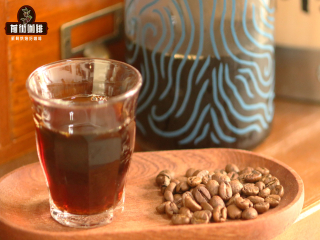
Introduction to the main taste characteristics of Yunnan small-grain coffee beans grown in Yunnan
Professional coffee knowledge exchange more coffee bean information please follow the coffee workshop (Wechat official account cafe_style) Yunnan small-grain coffee, Rubiaceae, coffee genus, planting areas are mainly distributed in Lincang, Baoshan, Simao, Xishuangbanna, Dehong and other states. Small grains of coffee are native to Ethiopia or Arabian Peninsula. Master
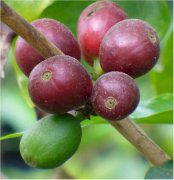
Introduction of Arabica coffee beans an important kind of commercial coffee
Arabica beans are an important kind of commercial coffee with a fruiting period of less than three years and a high-quality aroma and sour taste. Arabica coffee beans are mainly produced in South America (except parts of Argentina and Brazil), Central America, Africa (Kenya, Ethiopia and other places, mainly East African countries), Asia (Yemen, India, parts of Papua New Guinea). Arabica species (
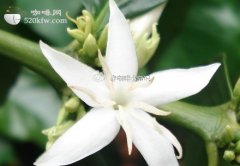
Coffee knowledge Coffee plants
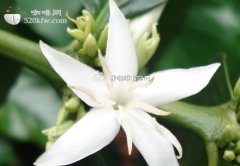
Coffee plants: several to dozens of clusters in leaf axils, the second to fifth flowers on a flower axis. White, fragrant. The middle and small seeds have 5 petals, and the large seeds have 7 - 8 petals. Flowers tubular, terete. The stamen number is many and petal number is same, stamen stigma is bifid, ovary inferior, it is 2 rooms commonly, also have 1 room or 3 rooms. Insect-matched flowers, large-grain seeds and small-grain seeds
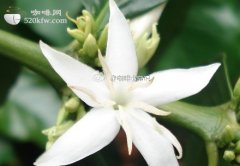
Coffee plants
Coffee plants: several to dozens of clusters in leaf axils, the second to fifth flowers on a flower axis. White, fragrant. The middle and small seeds have 5 petals, and the large seeds have 7 - 8 petals. Flowers tubular, terete. The stamen number is many and petal number is same, stamen stigma is bifid, ovary inferior, it is 2 rooms commonly, also have 1 room or 3 rooms. Insect-matched flowers, large-grain seeds and small-grain seeds
Coffee plants
Coffee plants: several to dozens of flowers are clustered in the axils of leaves, and the second to fifth flowers are planted on a flower axis. The flowers are white and fragrant. The petals of medium and small seed species are generally 5, and the petals of large seed species are 7-8. Flowers tubular, Terete. The number of stamens is the same as the number of petals, stamen stigma bifid, ovary inferior, generally 2-loculed, but also 1-loculed or 3-loculed. Insect-borne flowers, large-grain species and small-grain seeds

The growth process of Coffee plants
Coffee plants: several to dozens of flowers are clustered in the axils of leaves, and the second to fifth flowers are planted on a flower axis. The flowers are white and fragrant. The petals of medium and small seed species are generally 5, and the petals of large seed species are 7-8. Flowers tubular, Terete. The number of stamens is the same as the number of petals, stamen stigma bifid, ovary inferior, generally 2-loculed, but also 1-loculed or 3-loculed. Insect-borne flowers, large-grain species and small-grain seeds

Coffee Plant Articles Fine Coffee Basic Common Sense
Coffee plants: several to dozens of clusters in leaf axils, the second to fifth flowers on a flower axis. White, fragrant. The middle and small seeds have 5 petals, and the large seeds have 7 - 8 petals. Flowers tubular, terete. The stamen number is many and petal number is same, stamen stigma is bifid, ovary inferior, it is 2 rooms commonly, also have 1 room or 3 rooms. Insect-matched flowers, large-grain seeds and small-grain seeds

Yunnan fine coffee beans cultivation geographical location climate altitude profile
Planting areas are mainly distributed in Lincang, Baoshan, Simao, Xishuangbanna, Dehong and other prefectures. Baoshan has an average temperature of 21.5℃ and a maximum temperature of 40.4℃. There is basically no frost all year round. It is recognized as the best producing area of Arabica coffee. The Arabica coffee cultivated here is famous for its strong but not bitter, fragrant but not strong, well-proportioned grain facets, mellow fragrance and fruity flavor. International Coffee Organization tasting experts
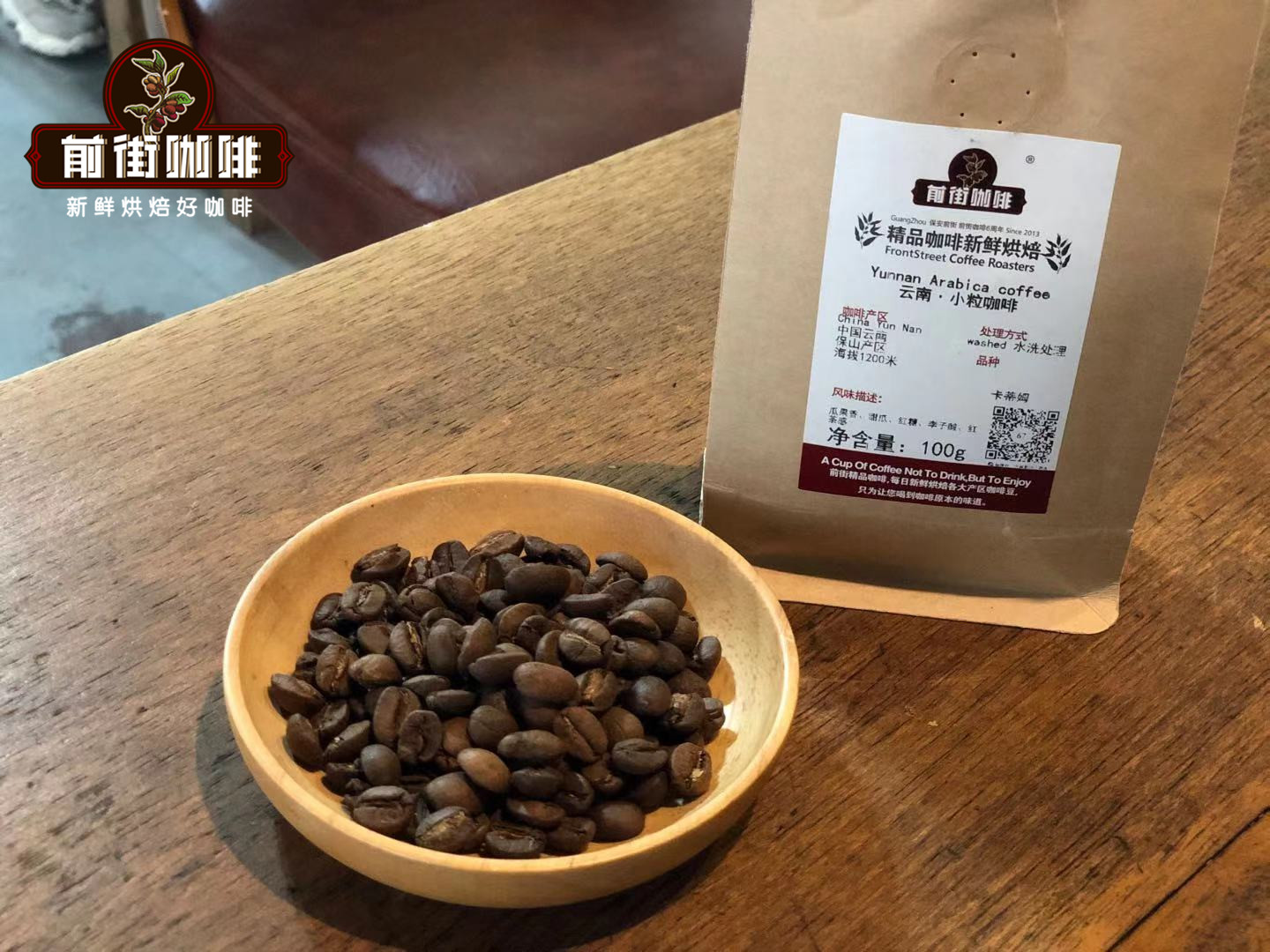
Introduction to the characteristics of Yunnan small seed coffee beans the flavor and taste of Yunnan hand-made coffee
[scientific name] small grain species are CoffeaarabicaL., medium grain species are Coffeacanephora, large grain species are Coffealiberica family genus: Rubiaceae Coffea [alias] small grain species, also known as Arabian species, medium grain species also known as Gaffra species, large grain species also known as large seed species

Yunnan coffee flavor Yunnan coffee characteristics Yunnan coffee taste
The western and southern parts of Yunnan Province are located between 15 N and the Tropic of Cancer, most of which are 1000-2000 meters above sea level. The topography is dominated by mountains and slopes, with large ups and downs, fertile soil, sufficient sunshine, rich rainfall and large temperature difference between day and night. These unique natural conditions form the special taste of Yunnan small-grain coffee, which is strong but not bitter, fragrant but not strong, slightly fruity. As early as fifty years